
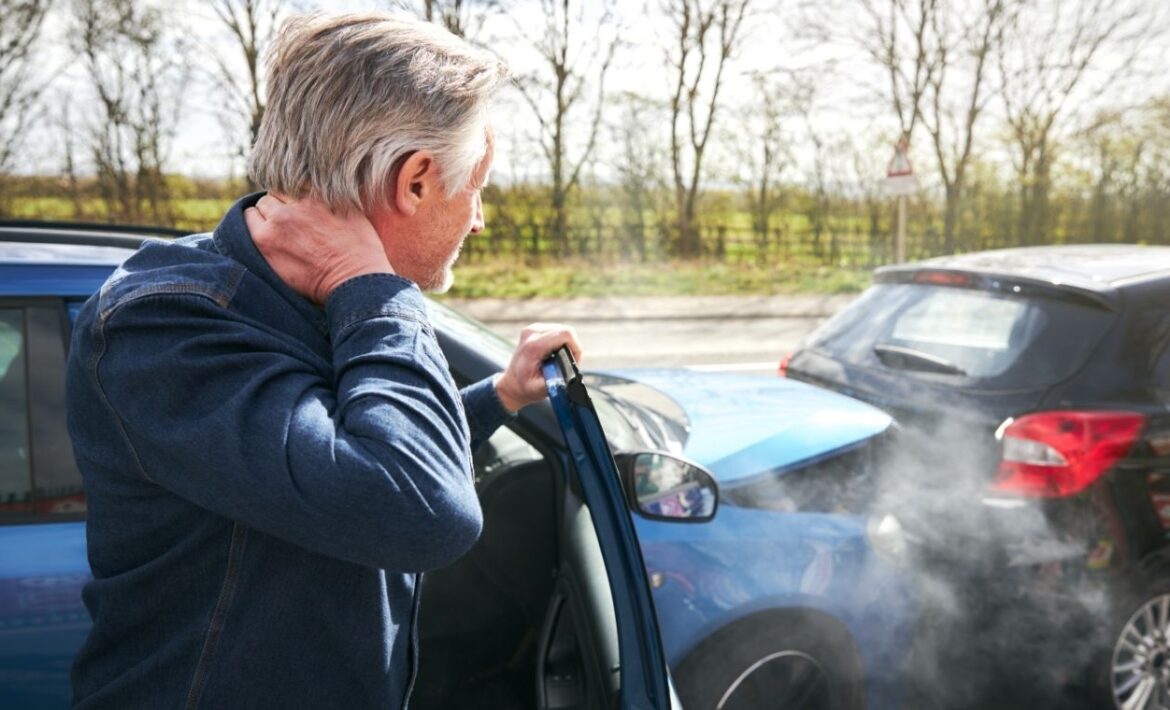
Car accidents often happen without warning. One second you’re focused on the road, and the next you’re surrounded by noise, confusion, and flashing lights. In Modesto, where highways meet busy intersections, accidents are part of daily life. Whether it’s a minor fender-bender or a serious crash, the moments that follow can be overwhelming.
Most people don’t plan for this kind of situation. Questions appear instantly — “Who’s at fault?”, “Should I call the police?”, “Will insurance cover my hospital bills?” These questions are normal, and knowing what to do makes a big difference.
This guide explains every major part of a post-accident journey — from immediate safety and documentation to understanding California’s laws and emotional recovery. It’s written to inform Modesto residents, not to sell services, and follows all current content and spam policies.
The Reality of Car Accidents in Modesto
Modesto is one of California’s busiest Central Valley cities, connecting several major routes, including Highway 99, Briggsmore Avenue, and McHenry Avenue. With daily commuters, trucks, and student drivers, road congestion is part of local life.
Unfortunately, this constant movement increases the likelihood of motor vehicle collisions. State and county data show that Modesto records hundreds of crashes each year, ranging from simple parking-lot incidents to multi-car pileups.
Common causes include:
- Distracted driving (especially texting or phone use)
- Speeding during peak traffic hours
- Impaired driving late at night
- Failing to yield or misjudging distance
- Weather-related visibility issues (fog, glare, light rain)
These patterns reveal that most accidents are preventable. Awareness, patience, and a defensive driving mindset can reduce risks significantly. Still, even careful drivers can’t control other motorists’ actions — which is why understanding what to do after a crash matters so much.
What Happens Immediately After a Car Accident
The seconds after an accident are critical. Adrenaline surges, and it’s easy to make quick decisions that might later cause complications. Keeping calm and following a few practical steps can protect your health and your future.
- Ensure safety first. Move to a safe area away from traffic. If you can’t move your car, stay inside with hazard lights on until help arrives.
- Check for injuries. Even minor pain can mask serious issues like concussions or internal bleeding.
- Call 911. A police report is one of the most valuable records you’ll need later.
- Exchange information. Collect names, phone numbers, license numbers, and insurance details.
- Document the scene. Take clear photos of damage, skid marks, traffic lights, and injuries.
- Identify witnesses. Their statements may clarify fault if disputes arise.
If anyone feels dizzy, disoriented, or unusually tired, seek immediate medical care. In many auto accident cases, early treatment improves both recovery and documentation for later claims.
Understanding California’s Comparative Negligence Rule
One of the most important laws governing motor vehicle injury cases in California is the comparative negligence rule. This law recognizes that more than one person can share responsibility for a crash.
For example, if Driver A speeds slightly while Driver B runs a red light, both contributed to the collision. The court assigns a percentage of fault — say 20% to Driver A and 80% to Driver B. If damages total $100,000, Driver A can still recover $80,000.
This structure encourages fairness. It also teaches drivers that small mistakes can still carry financial weight. Knowing this law helps victims avoid giving up on recovery just because they share part of the blame.
The Role of Police and DMV Reports
In Modesto, two official documents are vital after any serious accident:
- The police report (created by responding officers)
- The DMV SR-1 report (required under California law)
The police report includes witness statements, diagrams, and the officer’s professional observations. It’s often used as the foundation for insurance evaluation.
The DMV SR-1 form must be filed within 10 days if the crash involves injury, death, or property damage over $1,000. Failure to file can result in license suspension. Completing this form ensures the state has a record of your side of the story — protecting you from future misunderstandings.
Medical Attention and the Importance of Documentation
Even when symptoms seem minor, medical attention should come first. Some injuries, especially soft tissue or internal damage, appear days later.
Hospitals like Doctors Medical Center and Memorial Medical Center in Modesto have trauma specialists familiar with auto accident injuries. Getting examined immediately provides two benefits: it ensures proper care and creates a dated medical record linking the injury directly to the crash.
Keep every receipt, medical note, and treatment summary. These serve as personal injury documentation that confirms the extent of harm — essential when negotiating coverage or reimbursement later.
Common Injuries Seen in Car Accidents
The human body isn’t built to absorb the force of a high-speed impact. Even safety features like airbags and seatbelts can’t prevent all injuries.
Common examples include:
- Whiplash and neck strain from sudden jolts
- Head trauma or mild concussions
- Back and spine injuries such as herniated discs
- Fractured bones in arms, ribs, or legs
- Cuts, burns, and bruises from glass or debris
- Post-traumatic stress and driving anxiety
Some recover in weeks; others need months of rehabilitation. Emotional effects can last even longer. Recognizing both physical and psychological injury is vital for complete recovery.
Time Limits for Filing a Claim in California
Every legal action has a time frame called a statute of limitation.
For car accidents in California:
- Personal injury claims: 2 years from the date of the crash
- Property damage claims: 3 years
- Claims involving government vehicles: 6 months to file a notice
Once these deadlines pass, no further action can be taken. This is why it’s important to document early, organize medical records, and understand legal timelines — even if you haven’t decided on pursuing a claim yet.
The Importance of Uninsured and Underinsured Motorist Coverage
California law requires basic insurance, but many drivers still operate without it. Others carry the minimum coverage, which may not be enough for serious injuries.
Your Uninsured/Underinsured Motorist (UM/UIM) policy fills this gap. It covers costs when the at-fault driver can’t. This includes medical treatment, lost wages, and repair bills.
Unfortunately, many drivers only learn about this protection after an accident. Reviewing your policy now ensures you’re not left uncovered later.
How Insurance Negotiations Work
Insurance companies manage thousands of claims. Adjusters are trained to minimize payouts — it’s part of their job. While initial offers may seem fair, they often leave out long-term care, ongoing therapy, or hidden costs.
Before agreeing to anything, make sure you understand the full impact of the injury. Review medical bills, upcoming treatments, and lost wages. Keep every receipt and communication record.
Patience and detailed evidence often lead to stronger settlements in motor vehicle claims.
Building a Strong Case Through Evidence
Facts matter. Every piece of evidence strengthens your position in an auto accident claim.
Key elements include:
- The official police report
- Scene photographs and dash-cam footage
- Medical records and doctor statements
- Witness contact information
- Repair and mechanic invoices
- Pay slips showing lost income
The clearer your documentation, the easier it becomes to prove how the crash occurred and how it affected your life.
Financial and Emotional Impact of a Collision
Accidents don’t only damage cars — they disrupt lives.
Hospital visits, missed work, and vehicle repairs are stressful enough, but emotional distress often lingers longer. Sleepless nights, anxiety behind the wheel, or flashbacks are common signs of trauma.
California’s system accounts for both economic damages (like bills and income loss) and non-economic damages (like pain and emotional suffering). This distinction ensures recovery reflects the real human impact of a crash, not just financial loss.
What Compensation Typically Covers
Compensation isn’t a reward; it’s a way to restore balance. Depending on the situation, recovery may include:
- Medical expenses and therapy costs
- Rehabilitation and long-term care
- Lost wages and reduced future income
- Repair or replacement of damaged property
- Pain, suffering, and mental health recovery
- Necessary home or vehicle modifications after injury
Each case differs, but the goal remains the same — to help individuals regain stability and independence after the accident.
The Legal Process in Modesto
Most car accident cases in Modesto are resolved outside of court through settlement discussions or mediation. However, when disputes persist, the Stanislaus County Superior Court handles civil cases depending on value and complexity.
The process involves evidence exchange, witness depositions, and negotiations before any trial date is set. Understanding these steps removes uncertainty and helps victims know what to expect.
Emotional and Mental Health Recovery
Recovering emotionally can be more challenging than physical healing.
Fear of driving, sleep disturbances, and mood changes are all common after traumatic accidents. Modesto offers counseling and trauma recovery programs that provide emotional support and coping strategies.
Healing takes time. Seeking help early prevents anxiety from becoming long-term stress, allowing survivors to rebuild confidence and routine safely.
Staying Safe on Modesto Roads
Every driver plays a role in community safety. While some accidents are unavoidable, awareness reduces risk.
- Follow posted speed limits.
- Avoid distractions — even hands-free calls divide attention.
- Maintain vehicles regularly, especially brakes and lights.
- Stay alert near schools, crossings, and construction areas.
- Keep extra distance during fog or rain.
Safe habits protect everyone — and prevent future motor vehicle collisions across Modesto.
Local Laws Every Driver Should Know
California’s traffic laws include specific rules that often affect how collisions are resolved:
- Vehicle Code 20008 requires reporting any injury accident to the police within 24 hours.
- Vehicle Code 16000 mandates the DMV SR-1 report within 10 days.
- Vehicle Code 22350 (Basic Speed Law) prohibits driving faster than conditions allow — even below the speed limit.
- Vehicle Code 23152 governs DUI violations, which carry severe penalties.
Knowing these rules not only keeps you compliant but also helps protect your rights when dealing with insurance or civil matters.
Community Responsibility and Road Awareness
Modesto continues to develop programs that encourage safe driving. Community workshops, awareness campaigns, and youth safety courses highlight the dangers of distraction and fatigue.
By participating in these initiatives, residents contribute to a safer road culture.
Road safety isn’t only about avoiding tickets — it’s about protecting lives, including your own.
Final Thoughts
A car accident can shake your confidence and change your routine overnight. Yet, knowledge brings calm.
Understanding California’s laws, following safety procedures, and staying emotionally strong help you regain control after the unexpected.
Recovery is a process — not a single step. Whether you’re managing hospital visits or paperwork, take things one day at a time. Information, organization, and patience lead to steady progress and peace of mind.
Author
Kenneth C. Odiwe, Esq.
Attorney at Law — Law Offices of Kenneth C. Odiwe
Kenneth C. Odiwe is a California-based attorney who educates residents on motor vehicle collisions, personal injury awareness, and California negligence laws. His writing focuses on community education, helping Modesto drivers understand their rights with clarity and confidence.