
Civil Rights Lawyers in San Diego, CA
A true advocate in your fight for justice
San Diego is California’s second-largest city, home to over 1.3 million people. It is also a city where conversations about police accountability have been persistent, documented, and in several cases, resolved through significant civil rights settlements that the public deserves to understand.
In 2015, SDPD officer Neal Browder shot and killed Fridoon Rawshan Nehad in a downtown alley. Nehad was unarmed. He was holding a pen. The encounter lasted seconds. The City of San Diego ultimately paid a $4 million settlement to his family. The case drew wide attention not only because of the circumstances of the shooting but because the officer’s body camera had not been activated, raising serious questions about transparency and departmental accountability.
That case was not isolated. San Diego has seen repeated civil rights lawsuits involving officer-involved shootings, use of force against homeless residents, and racially disparate enforcement in neighborhoods like Mountain View, Logan Heights, and City Heights. The ACLU of San Diego has raised documented concerns about SDPD’s use of force and racial profiling patterns. In November 2020, San Diego voters passed Measure B, creating the Commission on Police Practices, an independent oversight body with investigative authority, precisely because the existing accountability structures were not working well enough.
The Commission exists. The oversight is in place. But none of that compensates the individuals who were already harmed. Every person who was subjected to excessive force, unlawfully arrested, illegally searched, or racially profiled by San Diego law enforcement has an individual claim, entirely separate from any departmental review, and entirely their own to pursue.
At the Law Offices of Kenneth C. Odiwe, we are civil rights lawyers in San Diego who represent individuals and families whose rights were violated by law enforcement across San Diego County. Attorney Kenneth Odiwe trained at the Law Offices of John L. Burris in Oakland, one of California’s most respected and recognized civil rights firms. He brings that training directly to clients in San Diego, Chula Vista, El Cajon, National City, Escondido, and communities throughout the region.
What to Do After a Civil Rights Violation in San Diego
The steps you take immediately after an encounter with San Diego law enforcement have a direct impact on what your attorney can do for you later. Evidence disappears quickly. Legal deadlines start running from the date of the incident, not from the day you decide to act. Do not wait on any of the following:
- Seek medical attention the same day: UCSD Medical Center and Sharp Memorial Hospital are two of San Diego’s primary trauma facilities. Even if your injuries feel manageable, a dated hospital record is one of the most important pieces of evidence in your case. Go the same day.
- Photograph every injury right away: Take photos immediately and continue photographing over the following days as bruising develops. Take more than you think you need.
- Write down every detail while memory is still fresh: Officer names or badge numbers, patrol car numbers, time, location, what was said, what was done, in what order. Specific detail holds up in litigation. General impressions do not.
- Get contact information from witnesses before they leave: Full names and phone numbers from anyone who saw what happened. Bystander witnesses are valuable and they scatter quickly.
- Preserve and back up all recordings immediately: Save phone video to multiple locations. Do not post anything publicly before speaking with an attorney.
- Do not file a complaint with the Commission on Police Practices first: The CPP is an oversight body, not a legal advocate for you. Complaints create formal records that can affect your civil case if not handled with legal guidance from the start. Call us before taking that step.
- Do not speak with City of San Diego attorneys or representatives: They represent the City. Direct every inquiry to your attorney.
Call us today at (669) 315-4431: The six-month government claims deadline in California begins on the date of the incident. Not when you feel ready. Not when you have finished thinking it over.
We Handle in San Diego
As civil rights attorneys in San Diego, we handle the full range of constitutional violations by law enforcement across San Diego County, including cases involving SDPD, the San Diego County Sheriff’s Department, California Highway Patrol, El Cajon Police Department, Chula Vista Police Department, and other agencies operating in this region.
Speak to a Trusted Los Angeles Lawyer Now
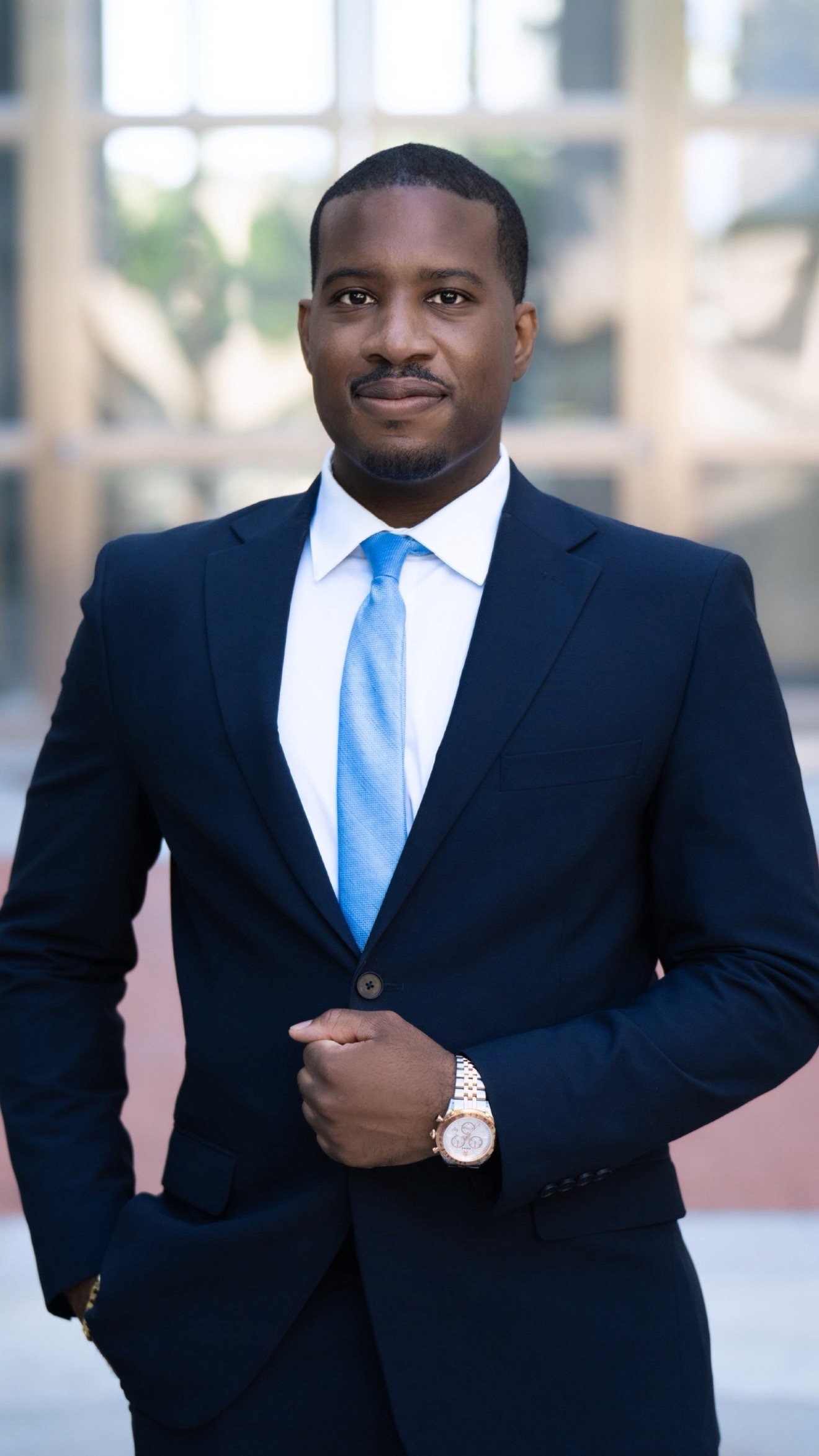
About Attorney Kenneth Odiwe
Kenneth Odiwe built his civil rights practice around exactly the kind of case San Diego residents bring to him. After earning his law degree from Golden Gate University, he trained at the Law Offices of John L. Burris in Oakland, a firm that has handled some of the most significant police accountability litigation in California’s history. That training shaped how Kenneth approaches investigations, how he builds cases, and how he handles the aggressive defense that government agencies and their insurers typically mount.
Kenneth was raised in Vallejo and understands from personal experience what it means to live in a community where the relationship between residents and law enforcement is complicated. He brings that understanding to every client conversation, alongside the legal precision that civil rights cases require.
He is admitted to practice in the U.S. District Court for the Southern District of California, which handles federal civil rights claims arising from San Diego County, as well as courts throughout California. Kenneth has been recognized by Best Lawyers, National Trial Lawyers Top 100, and holds an AV Preeminent rating reflecting both his results and his professional standing.
Why San Diego Families Choose Our Firm
We Understand San Diego's Specific Legal Landscape
Civil rights litigation in San Diego does not operate in a vacuum. SDPD has a documented track record of civil rights settlements. The Commission on Police Practices exists for a reason. Federal courts in the Southern District have seen a consistent civil rights docket from this region. We build cases with that specific context in mind, not as isolated incidents but as cases that fit within a pattern that courts and juries in this jurisdiction already understand.
Civil Rights and Police Misconduct Are Our Core Practice
We are not generalists who occasionally handle a police misconduct case. Constitutional law, government liability, Section 1983 federal litigation, Monell claims against municipalities, and California Bane Act cases are the foundation of this practice. These cases require a different approach from personal injury work, and we bring that approach from day one.
We Pursue Accountability Beyond the Individual Officer
When the facts support it, we pursue claims directly against the City of San Diego or the relevant municipality under the Monell doctrine. That means building the case for institutional liability, showing that the City knew about the problem and failed to address it. Given San Diego's history of civil rights settlements and the creation of an independent oversight commission in direct response to community pressure, that argument is well-grounded in the public record.
Every Case Is Prepared for Federal Court from the Start
Civil rights cases in San Diego often end up in the U.S. District Court for the Southern District of California at 333 West Broadway. We build every case as though it will go to a federal jury, because preparation at that level is what produces better settlements before trial and better verdicts when cases proceed to court.
No Fees Unless We Win
Every case is handled on a contingency basis. There are no upfront costs, no hourly fees, and nothing owed unless compensation is recovered. In successful Section 1983 federal cases, the law also requires the defendant to pay attorney's fees separately, meaning your compensation is not reduced by legal costs.
Civil Rights Violations We Fight in San Diego
We handle excessive force, false arrest, unlawful search and seizure, racial profiling, fabricated police reports, in-custody deaths, denial of medical care in custody, officer-involved shootings, and wrongful death arising from law enforcement encounters. If your constitutional rights were violated by any law enforcement agency operating in San Diego County, your situation deserves a legal review.
The Legal Tools We Use to Hold San Diego Accountable
The primary federal tool is 42 U.S.C. Section 1983, which allows anyone whose constitutional rights were violated by a government actor to sue in federal court. San Diego cases are filed in the U.S. District Court for the Southern District of California. Attorney’s fees are separately recoverable under 42 U.S.C. Section 1988 when you prevail. We also pursue claims under California’s Tom Bane Civil Rights Act, Civil Code Section 52.1, which restricts the use of qualified immunity in state court and allows for treble damages in appropriate cases. Where the City itself is liable, we build the Monell case alongside the individual officer claims.
What Compensation Can You Recover?
Compensation in a civil rights case depends on the nature of the violation, the severity of harm, and the strength of the evidence. Economic damages include all past and future medical expenses, lost wages and earning capacity, rehabilitation costs, and property wrongfully taken or destroyed. Non-economic damages include pain and suffering, emotional distress, loss of enjoyment of life, and damage to reputation. In wrongful death cases, families may also recover for loss of companionship and funeral expenses. Punitive damages are available against individual officers in Section 1983 and Bane Act cases where conduct was malicious or in reckless disregard of constitutional rights.
Contact a Civil Rights Lawyer in San Diego Today - Free
San Diego residents have pushed for accountability, voted for independent oversight, and watched the City pay millions in civil rights settlements. The systemic work continues. But none of that resolves what happened to you individually.
If you were harmed during an encounter with San Diego law enforcement, you have the right to pursue your own claim. You do not have to wait for a departmental review. You do not have to accept what happened as something you simply move past.
The Law Offices of Kenneth C. Odiwe is a civil rights law firm in San Diego offering a completely free, confidential case review to every person who contacts us. Kenneth personally handles every case. No upfront costs. No fees unless we win. The six-month government claims deadline is already running from the date of your incident. Please do not put this off.
Contact Details |
Call or Text 24/7: (669) 315-4431 |
Email: kenneth@kennethodiwelaw.com |
Free case review. No fee unless we win. Everything you share is completely confidential. |
FREE CASE ASSESSMENT
Frequently Asked Questions
The City of San Diego has already paid settlements for police misconduct. Does that affect my case?
Prior settlements do not resolve your individual claim. In fact, they work in your favor. When the City has previously compensated victims of similar conduct, that history supports the argument that the City was on notice of the problem and failed to correct it. That is the foundation of a Monell claim against the City itself.
How long do I have to file a civil rights claim against San Diego law enforcement?
You must file a government tort claim with the City of San Diego within six months of the date of the incident before you can file a lawsuit. For federal Section 1983 claims, the statute of limitations is generally two years. The six-month administrative deadline is the one that eliminates most claims. Call us as soon as possible.
Can I file a complaint with the Commission on Police Practices and also pursue a civil case?
Yes, but the order and timing matter. A complaint to the CPP creates a formal record that can affect your civil litigation if not handled carefully. We recommend contacting us before filing any complaint so we can advise you on the strategy that best protects your legal position.
What if the officer has not been disciplined or charged?
Your civil rights claim does not depend on whether SDPD has taken any internal action against the officer. Constitutional violations are evaluated on the facts of what occurred, not on what the department decided to do or not do afterward. Many successful civil rights cases proceed without any disciplinary action against the involved officer.
I was never charged with a crime. Can I still bring a claim?
Yes. Many civil rights cases arise from encounters that never led to an arrest or charges. An unlawful stop, an illegal search, or an unjustified use of force are constitutional violations regardless of what followed.
How much does it cost to hire civil rights lawyers in San Diego at your firm?
Nothing upfront and nothing out of pocket regardless of how long the case takes. Every case is handled on contingency. If we do not recover compensation for you, you owe nothing. In successful federal Section 1983 cases, the defendant is required by law to pay attorney’s fees separately, so your recovery is not reduced by legal costs.
My incident happened over a year ago. Is it too late?
It depends on the specific facts and timing. If the six-month government claims window has passed, there may still be paths forward depending on your circumstances. The federal Section 1983 statute of limitations is generally two years from the date of the incident. Call us immediately. We will assess your situation and give you an honest answer about what is still available to you.