Civil Rights Lawyers in Fremont, CA

A true advocate in your fight for justice

Fremont is a city of over 227,000 people, a city of working families, tech workers, immigrants, long-time residents a genuinely diverse community in the heart of Alameda County. And like every city in America, it is a place where civil rights violations happen. Where police officers sometimes cross the line. Where people are stopped, searched, or hurt by the very agencies that are supposed to protect them. Where families lose someone they love and are left with no answers.

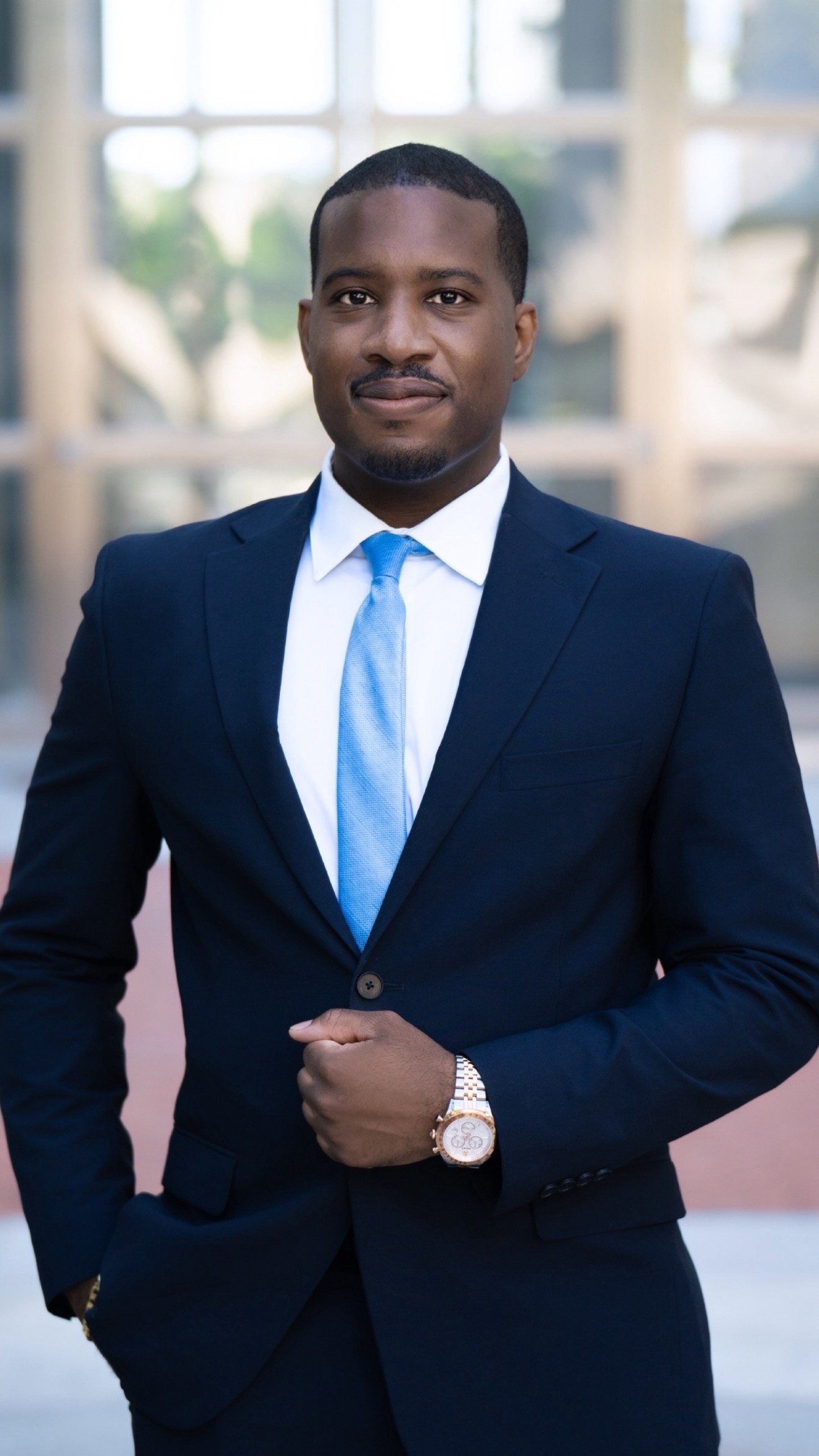
The Law Offices of Kenneth C. Odiwe are civil rights lawyers in Fremont and throughout Alameda County who take this work seriously , not as a specialty they added to a general practice, but as the foundation of what this firm was built to do. Attorney Kenneth Odiwe trained at the Law Offices of John L. Burris in Oakland – the Bay Area’s most consequential civil rights firm , and has spent his career fighting for people whose rights were violated by law enforcement, government agencies, and institutions with far more power than the individuals they harmed. If you or a family member has been hurt, arrested without cause, shot, or lost someone in a law enforcement encounter in Fremont or anywhere in Alameda County, your legal rights are real and they are time-sensitive. Call us today.

Civil Rights and the Fremont Police Department — What the Record Shows

Fremont has a documented history of significant civil rights litigation involving its police department. In 2022, a federal jury returned a $21 million verdict against the Fremont Police Department in a case involving the fatal shooting of a 16-year-old girl by officers. It was one of the largest verdicts of its kind in Northern California history, and it reflected what juries in this community are willing to say when the evidence of unreasonable force is clear.

This is not an isolated case. The Fremont Police Department — like law enforcement agencies throughout Alameda County — operates in communities where the interaction between residents and officers carries real stakes. Stops, searches, arrests, and use-of-force incidents occur every day. When those encounters cross the constitutional line, the people affected deserve legal representation that understands both the law and the realities of this community.

Beyond the FPD, Fremont residents also interact with the Alameda County Sheriff’s Office, the California Highway Patrol, BART Police, and other agencies operating in or through the city. Each carries its own exposure, its own claims history, and its own government claims process. We know how to navigate all of them.

Civil Rights Cases

We Handle in Fremont

Every case we handle in Fremont falls within key civil rights areas. If your situation involves any of the following, we encourage you to reach out for a free case review.

icons8-police-fine-100
POLICE MISCONDUCT
Unlawful arrests, excessive force, racial profiling, retaliation, or illegal searches — when officers in Fremont cross the line, we take action to hold them accountable.
Know More
icons8-handcuffs-100
IN-CUSTODY DEATH
Deaths in custody may involve force, neglect, or lack of medical care. We investigate these incidents in Fremont thoroughly to pursue full accountability.
Know More
icons8-customs-officer-100
OFFICER-INVOLVED SHOOTINGS
When deadly force is not justified, it becomes a serious civil rights violation. We independently investigate shootings in Fremont and challenge official narratives when needed.
Know More

Speak to a Trusted Fremont Lawyer Now

About Attorney Kenneth Odiwe — Civil Rights Focused Representation in Fremont

Civil rights law is not a side practice for us. Kenneth Odiwe was trained at the Law Offices of John L. Burris in Oakland, a firm known for handling major police misconduct and civil rights cases across California. As civil rights lawyers in Fremont, we represent clients locally and across California, bringing real, on-ground understanding of how civil rights violations impact communities. Growing up in Vallejo, Kenneth saw these issues firsthand, and that experience continues to shape how we approach every case — with focus, preparation, and a commitment to accountability.

Kenneth is admitted to practice in the U.S. District Court for the Northern District of California and all California Superior Courts. What sets our firm apart is the ability to handle both civil rights and personal injury claims together, allowing us to pursue full compensation through every available legal path.

Professional Recognition
AV Preeminent® Rating — Martindale-Hubbell
Best Lawyers® — One to Watch
National Trial Lawyers — Top 100 Member
Top 10 — Wrongful Death Settlements (2020)
Top 100 — Personal Injury Settlements (2022)
40 Under 40 — Rising Legal Talent

Civil Rights Law Firm in Los Angeles, CA

Why Families in Los Angeles Choose Our Firm

Focused Civil Rights Experience

We are not generalists. Civil rights, police misconduct, and related cases are our core focus in Fremont and across California. That focus matters because we understand how these cases work, how they are defended, and what it takes to build them properly.

Personal Attention to Every Client

You are not a case number to us. Every client comes with a real story and real impact on their life. We take the time to listen, communicate clearly, and make sure you always understand what is happening in your case.

No Fees Unless We Win

We work on a contingency basis, which means you pay nothing upfront. There are no hourly charges, no hidden costs, and no financial risk to you. Our fee is only earned if we successfully recover compensation on your behalf. This approach ensures that our interests are fully aligned with yours, and that we stay focused on achieving the best possible outcome for your case.

Trial-Ready from Day One

We prepare every case as if it will go to trial. Even when cases settle, this level of preparation often leads to stronger outcomes because the other side knows we are serious about every case we handle in Fremont.

Support Beyond Just Legal Work

As a civil rights law firm in Fremont, our goal is not just to resolve your case. We make sure you feel supported, heard, and properly represented from start to finish.

As civil rights attorneys in Fremont, we serve clients throughout Fremont’s neighborhoods and across Alameda County:

  • Fremont — Irvington, Mission San Jose, Niles, Centerville, Warm Springs, Ardenwood
  • Communities policed by Alameda County Sheriff — unincorporated areas, Castro Valley, San Lorenzo
  • Newark, Union City, Hayward, San Leandro, Oakland, Berkeley
  • Livermore, Pleasanton, Dublin, San Ramon (Contra Costa border)

If you are not sure which agency was involved or whether we can help in your community, call us. We handle civil rights cases throughout Northern California.

The term “civil rights violation” covers a wide range of conduct by government actors — police officers, sheriff’s deputies, corrections officers, and other public employees who act “under color of law.” Not every bad encounter with police rises to the level of a legal claim, but many do. Here are the most common situations that bring people to us:

Excessive Force

Using more physical force than a situation objectively requires is a constitutional violation. This includes striking, kicking, or tasing someone who is not resisting; using a weapon against someone who is already restrained; deploying a K-9 when the person has already surrendered; or firing a weapon when non-lethal alternatives were available and appropriate. California’s AB 392 (2019) requires that force be not just reasonable but necessary — a meaningfully higher standard than federal law alone.

Unlawful Arrest and Detention

An arrest requires probable cause. A detention requires at minimum a reasonable, articulable suspicion. When officers arrest someone without either — or manufacture justification retroactively — the detained person has a Fourth Amendment claim. Being held for hours without explanation, arrested for asking a question, or taken into custody after recording police are not gray areas. They are constitutional violations.

Illegal Search and Seizure

The Fourth Amendment protects Fremont residents from unreasonable searches of their home, car, phone, or person. A search without a valid warrant, without consent, and without a recognized legal exception is unlawful — even if nothing illegal is found. Officers who search based on fabricated information or exceed the scope of a valid warrant expose themselves and the City to civil liability.

Officer-Involved Shootings

Under Assembly Bill 392 (2019), California officers may use deadly force only when it is necessary to defend against an imminent threat — not merely reasonable in hindsight. If someone was shot while unarmed, retreating, compliant, or in a mental health crisis, the shooting may be legally actionable under both federal civil rights law and California’s Bane Act. The Fremont Police Department’s history of officer-involved shooting litigation makes these cases particularly relevant in this community.

In-Custody Deaths

People detained or incarcerated in Fremont Police custody, the Santa Rita Jail, or any Alameda County facility have a constitutional right to adequate medical care. When that right is denied — through deliberate indifference, neglect, or use of dangerous restraint techniques — and death results, the family has the right to pursue both civil rights and wrongful death claims. These cases require immediate investigation before evidence is lost.

Racial Profiling and Discriminatory Policing

Being stopped, searched, or treated more harshly because of your race, ethnicity, religion, or national origin violates the Fourteenth Amendment’s equal protection guarantee as well as California’s Bane Act and Ralph Act. In Fremont — one of the most ethnically diverse cities in California — discriminatory policing is a documented concern. Stop data, body camera records, and officer history can all form part of the evidentiary record.

Wrongful Arrest and Malicious Prosecution

When an officer arrests someone without probable cause, files a false report, or pursues a prosecution they know is unsupported by evidence, they cause real harm to the person targeted — lost employment, reputational damage, emotional trauma, and time. We pursue these claims in both state and federal court.


42 U.S.C. § 1983 — Federal Civil Rights Claims

Section 1983 is the primary federal statute used to hold law enforcement accountable for constitutional violations. Any person acting under color of state law — including Fremont Police officers, Alameda County Sheriff’s deputies, and other public employees — who violates your constitutional rights can be sued in the U.S. District Court for the Northern District of California. This court sits in Oakland and serves all of Alameda County.

In successful § 1983 cases, the law also separately requires the defendant to pay your attorney’s fees under 42 U.S.C. § 1988. This means your compensation is not reduced by legal fees — the responsible party pays both.

The Tom Bane Civil Rights Act — Civil Code § 52.1

California’s Bane Act provides protection that goes beyond federal law. It prohibits any person — including law enforcement — from interfering with your state or federal civil rights through threats, intimidation, or coercion. A successful Bane Act claim allows recovery of actual damages, attorney’s fees, and potentially treble damages. Senate Bill 2 (2021) — California’s PEACE Act — significantly limited the use of qualified immunity as a defense in Bane Act cases, making California state court one of the most viable venues for civil rights claims in the country.

Monell Claims — Holding the City and County Accountable

Under the Supreme Court’s decision in Monell v. Department of Social Services, the City of Fremont and Alameda County can themselves be held liable under § 1983 when a constitutional violation results from an official policy, a widespread practice, or deliberate indifference to a known pattern of misconduct. We evaluate every applicable case for Monell liability — including whether the department had prior notice of an officer’s history of excessive force, whether its training was deficient, or whether its policies created the conditions for the violation.

Wrongful Death and Survival Claims

When a civil rights violation results in death, the family may bring a wrongful death claim under California CCP § 377.60 alongside a civil rights survival claim. The wrongful death claim belongs to surviving family members and compensates for their own losses: financial support, companionship, guidance, and grief. The survival claim is brought on behalf of the deceased’s estate for the pain and suffering experienced before death. These claims are pursued together in the same proceeding.

The value of a civil rights case depends on the nature and severity of the violation, the extent of injuries or death, the strength of the evidence, and the egregiousness of the officer’s conduct. In Fremont and Alameda County, civil rights cases can involve substantial recoveries.

Economic Damages

Non-Economic Damages

Medical expenses — all past and future

Pain and suffering

Lost wages and earning capacity

Emotional distress and trauma

Rehabilitation and long-term care

Loss of enjoyment of life

Property wrongfully seized or damaged

Loss of consortium

Funeral and burial (wrongful death)

Grief and bereavement

Attorney’s fees (§ 1988, successful § 1983 cases)

Punitive damages (egregious misconduct)

Punitive damages are available in both § 1983 and Bane Act cases against individual officers where conduct was malicious or in reckless disregard of your constitutional rights. These are separate from and on top of your actual damages.

The steps you take immediately after an incident involving law enforcement can significantly affect your ability to pursue a civil rights claim. Here is what matters most:

  1. Seek medical attention immediately — Document every injury at the hospital or urgent care. Same-day medical records establish the severity and timeline of your injuries.
  2. Photograph all injuries — Take photos the same day and over the following days as bruising develops. Do this before anything fades.
  3. Write down everything you remember — Officer names or badge numbers, patrol car numbers, the time and exact location, what was said, what was done, in what order. Memory fades. Write it down while it is fresh.
  4. Identify witnesses — Names and phone numbers of everyone who saw what happened. Independent witnesses are among the most powerful evidence in civil rights cases.
  5. Preserve all recordings — If you recorded any part of the incident, back it up to multiple locations immediately. Do not delete anything. Do not post it publicly until you have spoken to an attorney.
  6. Do not file an Internal Affairs complaint before speaking to a lawyer — IA investigations create a record that can be used against you in civil litigation if not handled carefully.
  7. Do not speak to city or county attorneys without us — Government representatives may contact you after a serious incident. They represent the agency, not you. All communication should go through your attorney.
  8. Call us immediately — The six-month government claims deadline starts running from the date of the incident, not from when you hire a lawyer. Call (669) 315-4431 any time.

Talk to a Fremont Civil Rights Attorney Today — Free

Coming forward after an encounter with law enforcement takes courage. You may feel like the system is designed to protect the people who hurt you. In many ways, it is. But civil rights law exists precisely to push back against that — and the attorneys and courts that enforce it can and do hold law enforcement accountable when the evidence is there.

The Law Offices of Kenneth C. Odiwe — a civil rights law firm in Fremont built around exactly this work — offers a completely free, confidential case review to every person who contacts us. Kenneth personally handles every civil rights matter. No fees unless we win. No upfront costs. And because the government claims deadline is running from the date of the incident, please do not wait.

FREE CASE ASSESSMENT

To contact us, please take the time to fill out the information below or contact us immediately at (669) 315-4431).

Frequently Asked Questions — Civil Rights Cases in Fremont

You must file a California Government Tort Claim within six months of the incident under Government Code § 945.4. This is separate from the two-year statute of limitations that applies to purely private-party claims. Once the government claim is filed, the agency has 45 days to accept or reject it. After rejection, you then have additional time to file a formal lawsuit. Missing the six-month claim deadline permanently bars your case — no exceptions. Contact us immediately after any incident involving a public officer or agency.

Yes. A DA’s decision not to prosecute is a criminal law determination made under the beyond-a-reasonable-doubt standard. A civil rights case uses the preponderance-of-evidence standard — meaningfully lower. Many of our strongest civil rights recoveries followed situations where criminal prosecution did not proceed. The two processes are legally separate and operate independently.

You can sue both. Individual officers can be held personally liable under § 1983 for constitutional violations — with punitive damages available in cases of malicious or reckless conduct. The City of Fremont can be held liable under Monell when the violation resulted from a city policy, widespread practice, or deliberate indifference to a known problem. We evaluate both avenues in every applicable case.

California’s Bane Act (Civil Code § 52.1) prohibits interference with civil rights through threats, intimidation, or coercion. It allows recovery of attorney’s fees and, in some circumstances, treble damages. Since SB 2 (2021) — the PEACE Act — limited the use of qualified immunity as a defense in state civil rights cases, the Bane Act has become one of the most powerful tools available to victims in California. We pursue Bane Act claims in every qualifying case alongside the federal § 1983 claim.

A person’s prior record or criminal status does not justify unconstitutional treatment. The Fourth and Fourteenth Amendments protect everyone in the United States — regardless of criminal history, immigration status, or the circumstances that led to the encounter. The relevant question is always whether the officer’s conduct was lawful given the specific facts of the encounter. We evaluate every case on those facts.

You have the right to demand answers, and you have the right to pursue legal accountability. Families may bring both a wrongful death claim (for the family’s own losses) and a civil rights survival claim (for the deceased’s own suffering and damages). These cases require immediate investigation — evidence is at risk from the moment the incident occurs. The six-month government claims deadline also runs immediately. Please call us now.

Nothing upfront. We handle all civil rights cases on a contingency fee basis. No fees unless we win. And in successful § 1983 federal civil rights cases, the law requires the defendant to separately pay our attorney’s fees — meaning your compensation is not reduced by our legal fees. The civil rights lawyers in Fremont at this firm offer every person a free, confidential case review regardless of their financial situation.

Publications, Articles, and Media

Awards & Recognitions

Contact Us
2880 Zanker Road, Suite 203, San Jose, CA 95134